Summer offers some of the best hiking — long days, clear trails, and stunning views above treeline. But hiking in the heat also poses real dangers that catch unprepared hikers off guard every year. Heat exhaustion, dehydration, and sunburn can turn a beautiful day on the trail into a medical emergency faster than most people expect.
The good news: hot-weather hiking is completely manageable with the right preparation, gear, and awareness. This guide covers everything you need to stay safe and comfortable when temperatures climb.
Hydration Strategy
Dehydration is the single biggest threat when hiking in heat. By the time you feel thirsty, you're already 1-2% dehydrated — and at that point, your performance and decision-making are already declining. The key is to drink consistently before you feel the need.
How Much Water to Carry
A general rule for hot-weather hiking: carry at least half a liter per hour of hiking in moderate heat, and up to a full liter per hour when temperatures exceed 90°F or you're climbing steep terrain. For a typical 3-hour summer hike, that means 2-3 liters minimum.
- Pre-hydrate: Drink 16-20 ounces of water 2 hours before your hike, and another 8 ounces right before you start
- Drink on schedule: Take 4-6 sips every 15-20 minutes, even if you don't feel thirsty yet
- Add electrolytes: Water alone isn't enough on hot days. Add electrolyte tablets or drink mix to replace sodium and potassium lost through sweat
- Weigh your pack: If your pack feels significantly lighter at the halfway point but you still have miles to go, you may be drinking too fast — ration what remains
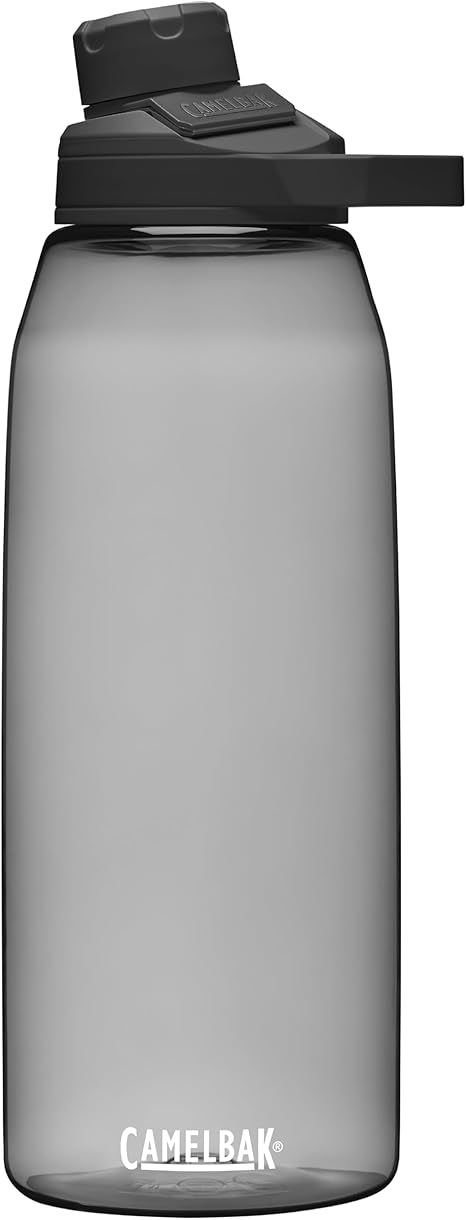
Recommended: CamelBak Chute Mag Water Bottle
The CamelBak Chute Mag makes it easy to drink frequently without stopping — the magnetic cap stows out of the way, and the wide mouth fits ice cubes for extra cooling. The 32oz size holds enough for roughly an hour of hot-weather hiking.
View on AmazonWater Sources on the Trail
Know where water sources are before you start. Check trail maps, recent trip reports, and ranger station information. In summer, many seasonal streams dry up by July or August — a creek that was flowing in spring might be completely dry when you need it most.
If you plan to refill from natural sources, carry a water filter or purification tablets. Never drink untreated water from streams, lakes, or springs, no matter how clean they look. Giardia, E. coli, and other pathogens are invisible and can cause severe illness lasting weeks.

Recommended: Sawyer Products MINI Water Filtration System
Weighing just 2 ounces, the Sawyer MINI attaches to water bottles, hydration packs, or the included pouch. It filters 99.99999% of bacteria and 99.9999% of protozoa — essential insurance for any hike where you might need to refill from a natural source.
View on AmazonSun Protection
Sunburn isn't just uncomfortable — it impairs your body's ability to cool itself through sweating, accelerates dehydration, and increases fatigue. At altitude, UV radiation intensifies roughly 10-12% for every 1,000 feet of elevation gain, meaning a hike at 8,000 feet exposes you to 40% more UV than the same hike at sea level.
Clothing as Your First Defense
Covering up is more effective and longer-lasting than sunscreen alone. Look for:
- UPF-rated shirts: UPF 50+ fabric blocks 98% of UV radiation and doesn't wash off or need reapplication
- Light colors: White, tan, and light gray reflect heat. Dark colors absorb it
- Long sleeves and pants: Counterintuitive, but covering exposed skin keeps you cooler through evaporative cooling and prevents sunburn
- Wide-brimmed hat: Protects face, ears, and neck — the areas most vulnerable to sunburn and heat-related fatigue
Sunscreen Application
For skin you can't cover, use a broad-spectrum SPF 30+ sunscreen. Apply 30 minutes before sun exposure, and reapply every 2 hours or immediately after sweating heavily. Don't forget ears, back of neck, tops of feet (if in sandals at rest stops), and the part in your hair.
Timing Your Hike
When you hike matters as much as how you hike in hot weather. The difference between starting at 6 AM versus 10 AM can be 20+ degrees Fahrenheit — the difference between a pleasant hike and a miserable, dangerous one.
Optimal Schedule
- Start early: Hit the trail by 6-7 AM. You'll hike in the coolest part of the day, have full energy reserves, and can cover more distance before the heat peaks
- Take a midday break: If you're on a longer hike, plan a 1-2 hour rest in shade between 11 AM and 2 PM. Eat lunch, hydrate, and let the worst heat pass
- Finish early: Aim to complete your hike by early afternoon. If you're still on the trail at 3 PM in extreme heat, reassess your route and consider shortening it
Choosing Shady Routes
In summer, a longer shaded trail often beats a shorter exposed one. Forest canopy can reduce temperatures by 10-15 degrees compared to open ridgelines or desert trails. Check trail descriptions and maps for tree cover information before choosing your route.
Recognizing Heat-Related Illness
Heat illness exists on a spectrum from mild discomfort to life-threatening emergency. Knowing the warning signs — and acting on them early — is critical for every hiker.
Heat Cramps
Painful muscle spasms, usually in legs or abdomen, caused by dehydration and electrolyte imbalance. Stop hiking, drink water with electrolytes, gently stretch the affected muscles, and rest in shade. You can usually continue hiking once cramps subside.
Heat Exhaustion
A serious condition that can rapidly progress to heat stroke if untreated. Warning signs include:
- Heavy sweating with cold, clammy, pale skin
- Weak, rapid pulse and feeling faint or dizzy
- Nausea or vomiting
- Headache and muscle cramps
- Extreme fatigue and confusion
Action: Stop immediately. Move to shade or a cooler area. Lie down with feet elevated. Remove excess clothing. Apply cool wet cloths to skin. Drink water slowly. If symptoms don't improve within 30 minutes or get worse, call for help.
What to Wear and Pack
Your gear choices make a dramatic difference in comfort and safety when temperatures are high. Here's what to prioritize for hot-weather day hikes:
Clothing Essentials
- Moisture-wicking base layer (polyester or merino wool, never cotton)
- Light-colored, UPF-rated long-sleeve hiking shirt
- Lightweight hiking pants or convertible pants/shorts
- Wide-brimmed sun hat or cap with neck cape
- Quality sunglasses with UV400 protection
- Moisture-wicking socks (wool or synthetic blend)
Pack Contents for Hot Weather
- Extra water beyond your minimum estimate (at least 1 additional liter)
- Electrolyte tablets or powder
- Sunscreen SPF 30+ and lip balm with SPF
- Small towel or bandana (wet it and drape on neck for cooling)
- Emergency whistle and charged phone
- High-energy snacks (salty snacks replace sodium lost through sweat)
- Small first aid kit with blister treatment supplies
Recommended: Osprey Daylite Plus Daypack
The Osprey Daylite Plus is an ideal hot-weather daypack with ventilated mesh back panel that reduces sweat buildup. It has a hydration reservoir sleeve, multiple pockets for organization, and weighs under 1 pound — light enough for summer use without adding unnecessary heat-trapping bulk.
View on AmazonPacing and Energy Management
Heat changes how your body performs. A pace that's comfortable at 60°F becomes exhausting at 90°F because your cardiovascular system is working double duty — cooling your body AND powering your muscles. Slow down intentionally.
Adjust Your Expectations
Plan for your hike to take 25-50% longer than the same route in mild weather. This isn't weakness — it's physics. Your body is diverting blood flow to the skin for cooling, which means less blood available for working muscles. Accept a slower pace and enjoy the journey.
The Wet Bandana Technique
One of the most effective cooling tricks in hiking: soak a bandana or small towel in cold water and drape it around your neck. The evaporation provides continuous cooling to a major blood vessel area. Rewet it at every stream crossing. This simple technique can reduce your perceived temperature by 5-10 degrees.
Putting It All Together
Hot-weather hiking rewards those who prepare. The combination of adequate hydration, proper clothing, smart timing, and heat-illness awareness lets you safely enjoy trails that many people avoid all summer. The mountains and trails are often less crowded in the heat — making summer one of the best times to explore if you know what you're doing.
Start early, drink before you're thirsty, cover your skin, and listen to your body. If something feels wrong — headache, dizziness, nausea, cramps — stop and address it immediately. The trail will be there tomorrow. Your health won't wait.
For more hiking guides, check out our articles on choosing the right hiking shoes, day hike packing lists, and hydration strategies for longer hikes.